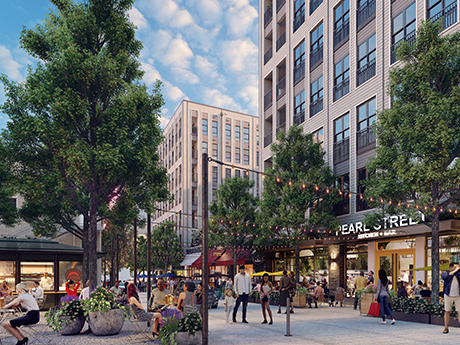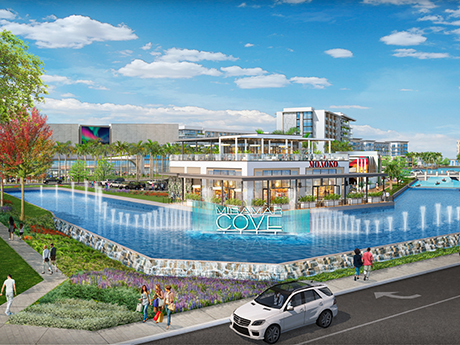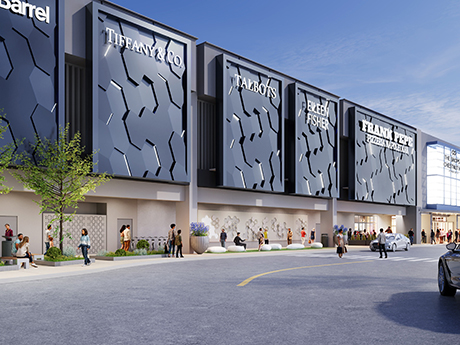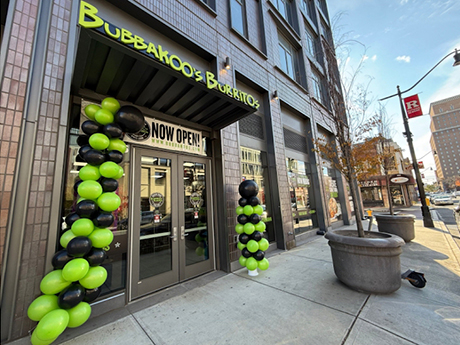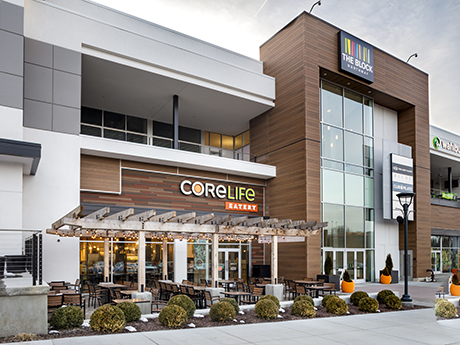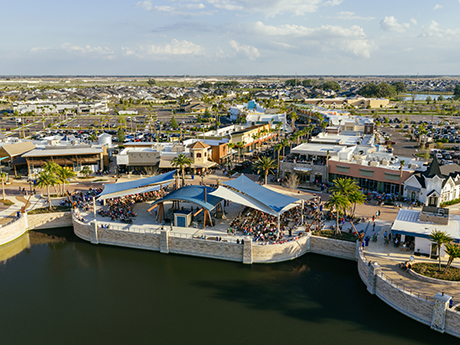

Florida’s The Villages has a secret: a captive, high-income population that dines and shops at the area’s more than 20 retail centers. Many national tenants like to gatekeep great locations. For years, The Villages has been one of those. The master-planned, age-restricted community located in Central Florida is somewhat of an enigma to those who haven’t been. But visiting is eye-opening, and many national tenants have discovered a secret this utopia is hiding — an incredibly active and vibrant population with strong retail sales within the community’s 7.5 million square …
From The Magazine
Narrowing cap rate spreads between grocery-anchored and power centers, combined with resilient tenant demand, are pushing more private investors into large-format retail. For years, junior box-anchored shopping centers were primarily acquired by public REITs and other institutional investors. With transaction sizes often ranging from $20 million to $100 million, these assets were considered out of reach for most private buyers. That dynamic has shifted. A broader pool of private investors is now competing for these centers, reshaping the buyer landscape and creating new liquidity opportunities for owners and developers. This …
Financing, subcontractors, materials pricing and tariffs have had an impact on retail construction. Contractors are leveraging AI and other new technologies to reduce risk and harness data. Let’s get down to brass tacks: there’s not a lot of new retail space being built. What is getting developed reflects a fundamental shift in how retail functions. At the same time, construction itself is becoming more strategic and tech enabled. Developers and contractors are leveraging data, artificial intelligence (AI) and flexible design approaches to better predict demand, reduce risk and adapt spaces …
Why fitness and recovery concepts are strengthening suburban centers. As consumer priorities continue shifting toward convenience and healthier lifestyles, grocery-anchored centers remain among the most resilient formats in retail. But the modern grocery trip is increasingly complemented by another fast-growing category: wellness. Fitness operators, recovery-focused retailers, and beauty-focused brands are now among the highest-performing co-tenants with grocery anchors. Their emergence is driving repeat visits, expanding dwell time, and reinforcing the long-term stability of suburban centers. The Power of Pairing Fitness with Grocery Trips Shoppers may visit a grocery store one …
With development costs high, developers are turning to mixed-use projects to maximize land while offering consumers a more rounded experience. As 7 a.m. rolls around, the elevator doors open to the smell of fresh espresso drifting up from the downstairs café. By noon, the outside plaza is alive with office workers grabbing lunch, parents pushing strollers and residents walking their dogs past storefront windows. In the evening, string lights flicker above the courtyard as neighbors gather for dinner just steps from their home. This is not a weekend destination or …
Residents are flocking to the Carolinas, and retailers and developers are overcoming obstacles to address the growing demand. North Carolina and South Carolina are throwing their hats into the ring as two of the fastest growing states in the nation. At 1.5 percent, South Carolina had the highest population growth rate in 2025, according to the U.S. Census Bureau. Similarly, North Carolina attracted 84,000 residents from other states last year, making the Tarheel State the No. 1 state for domestic migration. North Carolina was also the third-fastest growing state in …
Why landlords are turning to light-infrastructure food concepts to fill retail dead zones. Landlords and shopping center owners are facing a familiar problem. Many retail properties have space that gets foot traffic but doesn’t work for traditional restaurants. Old kiosks, narrow inline units, corridors and spaces that cannot support full restaurant infrastructure are hard to lease. Too often, these spaces sit empty. At the same time, many food operators want to expand but can’t justify the cost, time or risk of a full restaurant buildout. Rents are high. Construction takes …
Some things about entertainment never change. “Customers want variety, value and a reason to return,” says T.J. Schier, CEO and founder of indoor golf driving range experience Smash Swing. What has changed is how difficult it is to deliver all three at once. Get the balance wrong, and sales, reputation and loyalty suffer. Get it right, and the concept may not just survive this high-cost, high-stakes atmosphere, but cement itself as a true destination. One landlords clamor for. Variety: From Single-Attraction to Social Destination In today’s day and age, Schier believes …
A new owner is leading to a new era of experience-led retail in Seattle. Located at 6th Avenue and Pine Street in downtown Seattle, Pacific Place has been a cornerstone of the city’s retail landscape for more than a quarter century. Originally developed by Pine Street Group LLC and designed by architectural firm NBBJ, the center’s 335,000 square feet of retail space was designed to wrap around a crescent-shaped atrium topped with a skylight. Opened in October 1998, the five-story shopping and entertainment center redefined urban retail in the Pacific …
The younger generation is entering the workforce and influencing retailers. Here is how they are changing retail. In the digital age, nearly everything is accessible online — entertainment, shopping, friendship, you name it. With a few taps on a screen, we can order three pairs of jeans, have a pizza delivered, and carry on a meaningful conversation without ever leaving the couch. Considering that Generation Z — those born roughly between 1996 and 2013 — has grown up immersed in this digital reality, it would be easy to assume they …