

Why fitness and recovery concepts are strengthening suburban centers.
As consumer priorities continue shifting toward convenience and healthier lifestyles, grocery-anchored centers remain among the most resilient formats in retail. But the modern grocery trip is increasingly complemented by another fast-growing category: wellness. Fitness operators, recovery-focused retailers, and beauty-focused brands are now among the highest-performing co-tenants with grocery anchors. Their emergence is driving repeat visits, expanding dwell time, and reinforcing the long-term stability of suburban centers.
The Power of Pairing Fitness with Grocery Trips
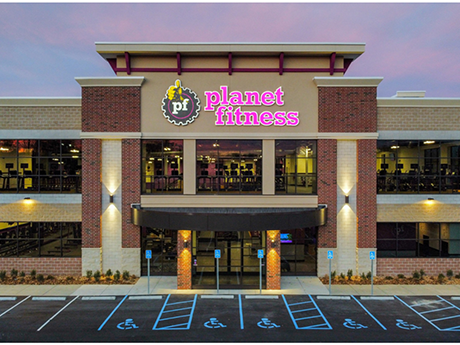
Shoppers may visit a grocery store one to three times per week and those same consumers are often engaged in recurring fitness or wellness habits. This makes operators like Planet Fitness, EOS Fitness, and Crunch Fitness natural complements to anchor grocers. Whether it’s a pre-work gym session, an after-school workout, or a weekend class, fitness users create regular traffic that easily aligns with essential errands.
Planet Fitness and Crunch Fitness, in particular, appeal to a broad demographic that mirrors the typical grocery customer. Their low-friction, high-frequency membership models generate reliable traffic patterns, which in turn support co-tenants and attract additional services, from beauty to dining. EOS Fitness, known for its larger format gyms, continues to expand aggressively in suburban areas where access, visibility, and parking make their locations highly accessible for daily-use customers.
Wellness, Beauty, and Recovery Concepts Gain Momentum
At the same time, the definition of “wellness” has expanded far beyond traditional fitness. Concepts like Wellness City, Restore Hyper Wellness, and Prime IV offering cryotherapy, red light therapy, IV infusions, and compression therapy are growing rapidly as consumers embrace recovery and performance-driven services. Their appointment-based formats integrate seamlessly into the shopping patterns of grocery-anchored centers. A customer may schedule a 15-minute compression session or a red-light therapy appointment and then complete a grocery run immediately afterward.
Similarly, aesthetic and self-care operators such as Sun Tan City and Massage Envy benefit from the same cross-shopping synergy. These brands attract customers who already frequent fitness centers, recovery studios, and health-focused grocers, creating a natural overlap in visitation patterns. For landlords, these tenants provide long-term leases, steady revenue, and consistent customer flow making them increasingly valuable co-tenants to overall center performance.
Why These Co-Tenants Drive Higher Dwell Time and Multi-Stop Visits
The wellness + grocery combination works because both categories drive regular, repeat visits. Fitness members often visit three to five times per week. Customers may use recovery services several times a week, while beauty and self-care visits usually fall on a monthly or biweekly basis. Grocery stores, particularly regional favorites and national chains, already drive high weekly visits.
When combined, these categories create:
- Reliable, recurring traffic across dayparts
- Extended dwell time, as consumers pair wellness appointments with grocery trips
- Stronger small-shop co-tenancy, due to consistent baseline foot traffic
- Increased stability, since these tenants are largely service based and e-commerce resistant
Landlords are increasingly designing tenant mixes around these patterns. Some centers group fitness and recovery tenants near the grocery anchor, while others rely on wellness operators to revitalize former junior-box vacancies. The result is a daily-use environment that’s more convenient and keeps consumers coming back.
How Landlords are Refocusing Leasing Toward Wellness & Fitness
Landlords are increasingly prioritizing wellness and fitness operators as core co-tenants of their merchandising strategy. Many are rethinking traditional tenant mixes, replacing soft-goods vacancies with high-frequency fitness concepts like Planet Fitness and Crunch Fitness, which perform well in endcaps or former junior-box spaces. At the same time, recovery and aesthetic wellness brands such as Wellness City, Sun Tan City, Restore Hyper Wellness, Prime IV, and Massage Envy are placed in smaller inline suites alongside complementary uses like salons, physical therapy clinics, and health-oriented fast-casual dining.
To support this shift, owners are improving lighting, adding comfortable seating, and making walkways more connected to enhance the customer experience. These upgrades not only improve the experience for wellness users who tend to linger but also reinforce the convenience that suburban households increasingly expect from multi-stop centers. The result is a leasing strategy that aligns with consumer priorities and strengthens long-term center performance.
A Long-Term, High-Stability Pairing
Wellness and grocery anchors are proving to be a strong combination. As consumers prioritize recovery services, preventative health, and everyday fitness, demand for wellness-based retail is rising across all demographics. Fitness, wellness and beauty retailers are capitalizing on this shift, and they are doing so in the very locations where people already shop most frequently.
For landlords, it’s clear: wellness tenants help improve the center, not just fill space. By boosting convenience-driven visits, increasing consumer engagement, and improving daily-use traffic, wellness operators are becoming essential co-tenants to improve stability in shopping centers.
Casey Smallwood is a senior vice president and managing principal with SRS Real Estate Partners.
This article was originally published in the March 2026 issue of Shopping Center Business magazine.