

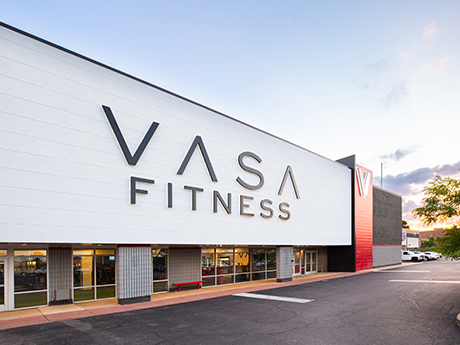
For years, fitness clubs were often viewed as secondary tenants in the commercial real estate world. They required significant parking, occupied large footprints and lacked the perceived prestige of traditional anchors. But fitness operators have always delivered something valuable: frequent, reliable visits to a property. What’s changed is the perspective, not the role — landlords and developers now recognize that value as a competitive advantage.

As traditional retailers have consolidated, downsized or disappeared altogether, shopping center owners have been driven to reconsider what makes an effective anchor. At the same time, consumers are increasingly building fitness, recovery and wellness into their everyday routines. Together, those shifts have moved fitness higher on the list of tenants that can drive consistent activity while creating an opportunity for operators to breathe new life into spaces designed for a different era of retail.
At VASA Fitness, adaptive reuse has become an important part of how we grow. Today, VASA operates more than 70 gyms across nearly 10 states, and approximately 95 percent of our locations occupy existing retail buildings. We have transformed roughly 68 former retail and big-box spaces, while only a handful of our clubs have been built from the ground up.
Those numbers reflect more than the availability of vacant real estate. Former grocery stores, department stores and other large-format spaces can offer many of the characteristics a fitness operator needs: substantial square footage, strong visibility, accessibility and ample parking. But an empty box alone does not make a good location.
Our growth strategy starts with the market and the consumer. We evaluate population density, demographics, income, accessibility, parking and competition before determining whether the available real estate supports the opportunity. In established VASA markets, that can mean strategically adding clubs to increase density. In emerging and newer markets, it means building awareness and creating a network of locations over time. As we evaluate entirely new markets, we look for underserved markets where the VASA model can resonate in communities for the long-term.
When the right market and the right real estate come together, adaptive reuse can have an impact well beyond the four walls of a fitness club.
In Oswego, Illinois, VASA invested approximately $4 million to transform a 65,636-square-foot former Dominick’s at Oswego Commons that had been vacant since 2013. Filling the long-dark anchor had been an economic development priority for the village for roughly a decade. Since VASA opened in spring 2024, the center has continued its broader resurgence, attracting additional tenants and investment. Oswego Commons is now estimated to generate approximately 329,000 visits per month, while its leasing team has referenced more than 100,000 square feet of new deals in recent years.
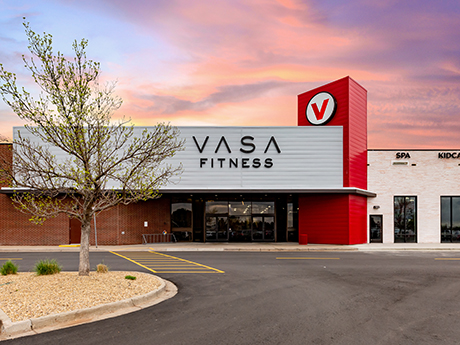
VASA did not create that resurgence alone, but putting more than 65,000 square feet of long-vacant space back into productive use helped restore activity to an important portion of the center.
We have seen a similar effect in Colorado Springs, where VASA transformed approximately 60,000 square feet of a former Kmart that closed in 2018. RoadHouse Cinemas occupied the remainder of the building, and additional hotel and retail development followed. Local economic development leadership has described the redevelopment as “catalytic” to further investment along the North Nevada corridor.
Part of what makes fitness valuable in these environments is frequency. Unlike many retail uses, fitness can bring the same consumers back to a property several times each week, often for extended periods of time. That consistent, repeat traffic can complement surrounding retailers, restaurants and wellness businesses and help make a shopping center part of a consumer’s routine.
But real estate is only one part of the equation. As fitness has become more competitive, operators also need a clear identity and a compelling reason for consumers to keep coming back.
For VASA, that has meant evolving beyond the traditional definition of a gym. Our clubs bring together expansive strength and cardio spaces, coach-led studio classes, personal training, recovery amenities and community under one roof. As consumer expectations continue to shift toward strength, longevity, recovery and more specialized ways to exercise, we see an opportunity to evolve that experience without losing the accessibility and sense of community at the core of our brand.
That evolution is important because the next generation of retail anchors may look very different from the last; an anchor no longer has to be a department store. Increasingly, its value can come from its ability to revitalize a property, creating habitual visits, building community and giving the businesses around it a reason to invest.
Fitness is not simply taking over the boxes traditional retailers have left behind. Done thoughtfully, it can help redefine what those properties become next, and give yesterday’s retail spaces a productive second life.
— Chris Tarrant, Chief Growth Officer at VASA Fitness