

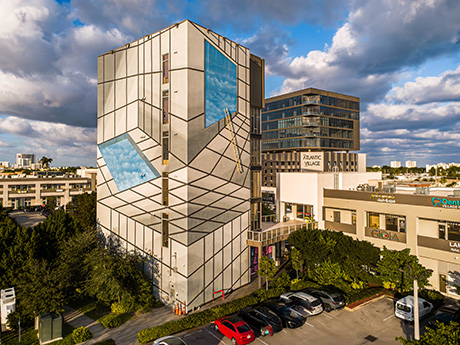
As World Cup excitement continued to build across the globe, retail and mixed-use destinations prepared for more than just an added boost to their revenue. They used the tournament as a placemaking opportunity, turning open-air centers into fan hubs designed to bring people together, drive tenant traffic and give visitors new reasons to move throughout a property before, during and after matches.
That strategy took shape at Atlantic Village in Hallandale Beach, Florida, which kicked off its monthlong World Cup celebration with a watch party featuring a kids’ soccer clinic, face painting, a live DJ and additional activations throughout the day. The celebration set the tone for a summer of soccer-focused programming designed for everyone from die-hard soccer fans to families and casual visitors looking for a communal way to experience the event.
The programming was especially relevant in South Florida, where soccer’s global fan base aligns with the region’s diverse population and dining culture. For mixed-use centers, that created an opportunity to turn common areas and storefronts into shared gathering places, while giving restaurants a way to capture traffic tied to specific matches, national teams and fan traditions.
From Mexican street food concept Uptown 66, Italian restaurant Gioia and Argentinian steakhouse La Estancia Argentina, to the Japanese-inspired Sokai Sushi, Venezuelan favorite Doggi’s Arepa Bar, The Wagyu House, Tea Leaf and Creamery and Peruvian ceviche spot Dr. Limon, Atlantic Village granted fans the chance to pair games with food-and-beverage experiences that reflected the international nature of the tournament. With more than 20 eateries representing eight countries, the property leaned into one of its strongest differentiators: an international culinary mix that naturally mirrored the global spirit of the World Cup.
Atlantic Village also extended the experience beyond match days through a “Fan Fest 2026 Passport” activation. Guests were encouraged to dine across the property, collect stamps from participating restaurants and earn rewards. Participating stops included Crema, Mitch’s Downtown, Pink Cafe, Holyshakes, Oakberry, 7 Spices and Murano by Ferraro, among others. By giving guests an incentive to explore multiple concepts, the passport turned World Cup fandom into a property-wide traffic driver, rather than concentrating activity around a single event or restaurant.
That matters for a mixed-use destination like Atlantic Village, which already benefits from several sources of recurring demand. The 203,000-square-foot campus spans three interconnected phases across North Federal Highway, blending restaurants, Class A retail, personal care services, fitness concepts, an on-site preschool and the adjacent Atlantic Village Professional Center with medical and professional offices. This mix gives the property a resilient traffic base, and World Cup programming added another layer of activity that captured visitors throughout the day. The center is also looking at foot traffic and revenue as key measures of success, underscoring that the programming is not just about creating atmosphere, but about supporting tenants and encouraging repeat visits across the property.
The timing also gave Atlantic Village an opportunity to strengthen summer traffic. By layering in match viewings, restaurant participation and recurring passport activity throughout the tournament, Atlantic Village created reasons for visitors to return during a period when South Florida retail centers often face heat, travel-related dips and seasonal softness.
For retailers and landlords, the playbook is clear: Major sports moments can be used to create repeat visits, cross-shopping between tenants and a stronger sense of community around physical retail. At Atlantic Village, the goal was not to simply show the games; it was to turn the property into a destination where fans can bring their families and experience the tournament as part of a larger communal event.
As retail destinations continue looking for ways to compete with online shopping and create more meaningful in-person experiences, the World Cup offered a timely reminder that foot traffic is increasingly driven by culture, programming and the ability to give people a reason to gather.
— Maggy Sutton, chief marketing officer of Grupo Eco