

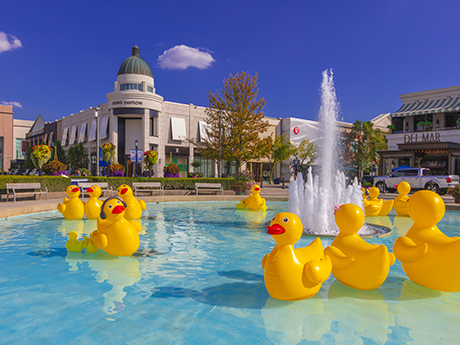
Customers can sense when their favorite shopping center is thriving — or beginning to lose its appeal. They notice the age of the stores, whether new concepts are regularly opening and how well the property is being maintained. Even a successful center can begin to feel dated if it isn’t keeping pace with changing consumer expectations.

For owners, the challenge is recognizing when change is needed and determining what adjustments will have the greatest impact. Unlike the handful of beloved restaurants that remain popular without ever changing, a shopping center with a diverse tenant mix requires ongoing attention to curate emerging retail concepts and continuously improve the overall property experience.
The Importance of Landlord Discipline
Capital decisions should always involve weighing where the investment will have the biggest impact on value to the property owner, but also to the guest.
Replacing a lower performing tenant with one that will be more productive — and pay more rent — could yield a strong return for the owner. However, those opportunities must be balanced against lower yield investments in building infrastructure, common areas and the overall condition of the property that impacts the guest experience.
There isn’t a perfect formula. Landlords need a disciplined approach to evaluating these competing priorities. It is more of an art than a science, requiring careful consideration of both immediate returns and the property’s broader needs.
Lease expirations are another critical consideration, giving owners an opportunity to evaluate what makes the most sense for the space going forward. Does the current tenant remain in place? Would it perform better somewhere else in the center? Does it need more space (or less) to increase productivity? Perhaps the space even needs to be renovated or divided to accommodate multiple tenants.
These decisions can significantly influence both the future value of a center and the guest experience. Because leases extend several years, owners have limited expiration opportunities to make meaningful changes and need to be strategic in their approach.
Get it Right the First Time by Planning Ahead
That planning shouldn’t begin just a few months before a lease expires. Owners need to start years in advance to carefully evaluate their options and make informed decisions.
Moving a tenant to accommodate a larger or smaller footprint requires considering not only where that tenant will go, but also what happens to the space it leaves behind. One decision can lead to several others, creating a domino effect throughout the property.
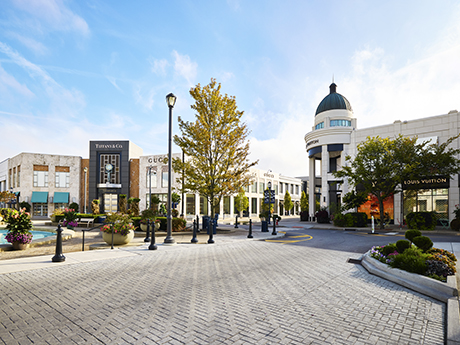
Planning ahead gives owners time to evaluate different scenarios and anticipate how changing consumer preferences may influence future leasing decisions. A retailer that was popular a decade ago may not have the same appeal today, making it important to reconsider plans as market conditions evolve.
At Easton Gateway, that type of thinking has been applied to opportunities to expand existing spaces and rethink how available space is used. For example, we’ve explored opportunities to expand buildings to accommodate retailers that require additional square footage, creating the potential for increased rental income while strengthening the property’s tenant mix.
Another example involves a former anchor tenant space following the retailer’s bankruptcy. Rather than simply considering a single replacement tenant, we’ve evaluated different possibilities for the space, including whether multiple storefronts could better support the property’s merchandising mix. That approach could create opportunities to attract more customers and increase the property’s value at the same time.
Both examples demonstrate the importance of looking beyond a property’s existing configuration when evaluating value creation through leasing opportunities. Whether they’re expanding an existing building or reconsidering how a vacancy could be used, owners should consider which approach best supports the property’s broader goals — from enhancing the guest experience and diversifying the tenant mix to increasing long-term property value.
Long-Term Value Requires Constant Attention
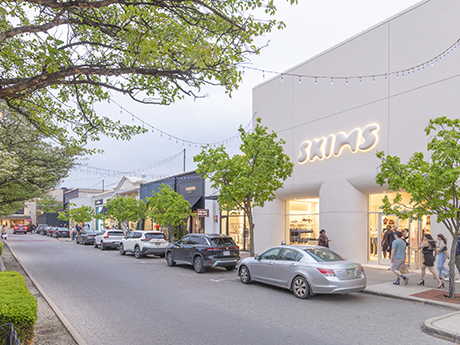
Making those decisions consistently requires a long-term ownership mindset. An owner planning to hold a property must think differently than one planning to sell a center within a shorter period. Both are valid investment strategies, but they require different approaches to capital allocation and planning.
A long-term owner must consider how spaces might be reconfigured for future tenants and where investments can support the property’s performance over time. Some improvements may take years to deliver their full value, making that perspective particularly important.
The center also needs to be operated with that same forethought by maintaining an appealing environment, evaluating tenant performance and identifying opportunities to improve the merchandising mix.
A center’s success today doesn’t guarantee it will remain successful tomorrow. For owners committed to long-term performance, the work requires thoughtful decisions, a willingness to evolve and the understanding that the job is never really done.
— Beau Arnason, Executive Vice President of Asset Management at Steiner + Associates